Reality Engine
Represents phenomena, fields, interactions and states so every domain can use the same structural language.
OUTPUT · structured state representation
Reality First
Observe • Model • Simulate • Experiment • Learn
CP1 helps teams use AI inside real workflows while preserving permissions, approvals, traceability and evidence.
Built to keep AI capability separate from execution authority.
Start with one governed workflow. Expand into a persistent CP1 Digital Office.
Choose an intention
Your route changes, but the principles remain: context, evidence, permissions and human authority.
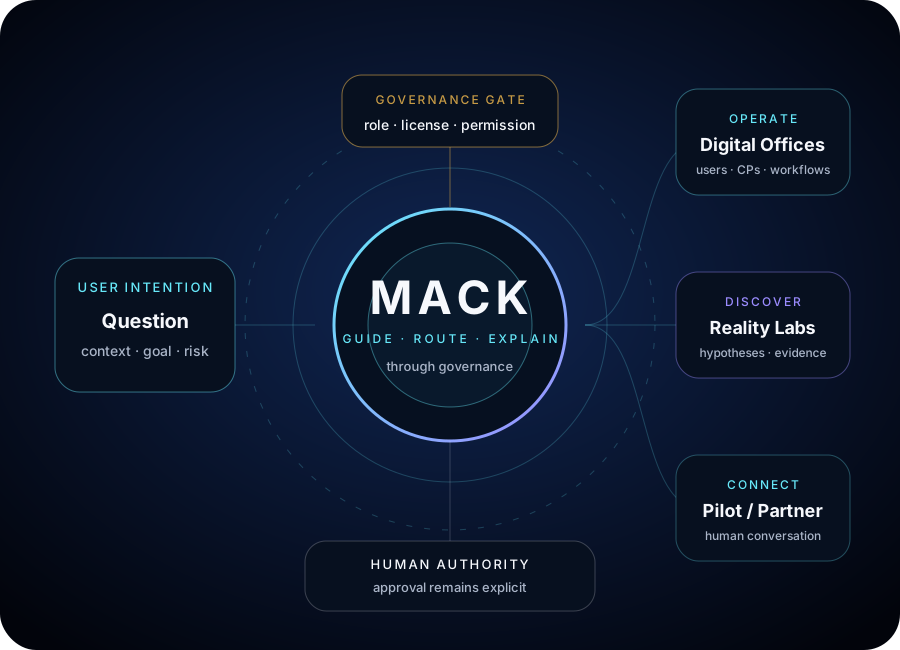
Meet Mack
 MACK · GOVERNED GUIDE
Mack helps people understand CP1, identify the right path, interpret evidence status and move between Digital Offices, Reality Labs and collaboration opportunities.
In an authorized deployment, Mack is designed to operate according to the user’s role, license, office context and explicit permissions. Mack does not override governance; it operates through it.
Persistent context, specialized responsibilities, explicit permissions and human approval.
This preview uses local browser rules. No model is loaded, no text is sent to a server and no action is executed.
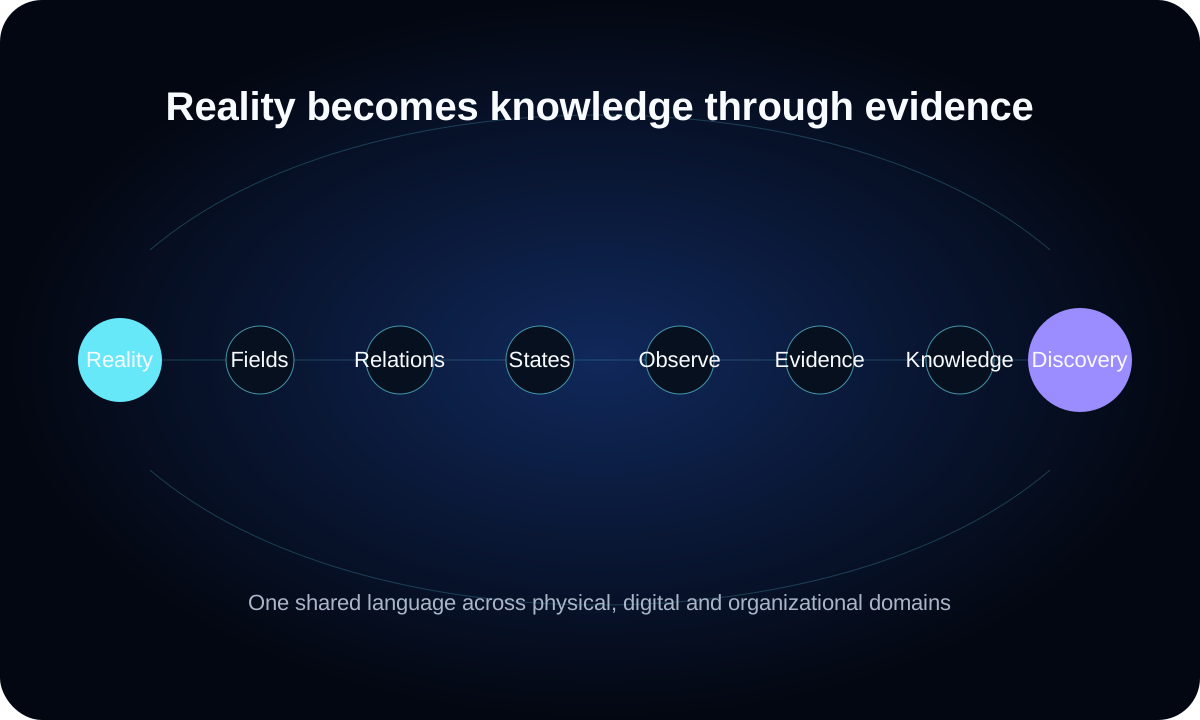
The universal model
CP1 uses a common language across domains. Select a stage to see what it means.
A physical, digital, biological or organizational occurrence becomes the starting point for a structured discovery cycle.
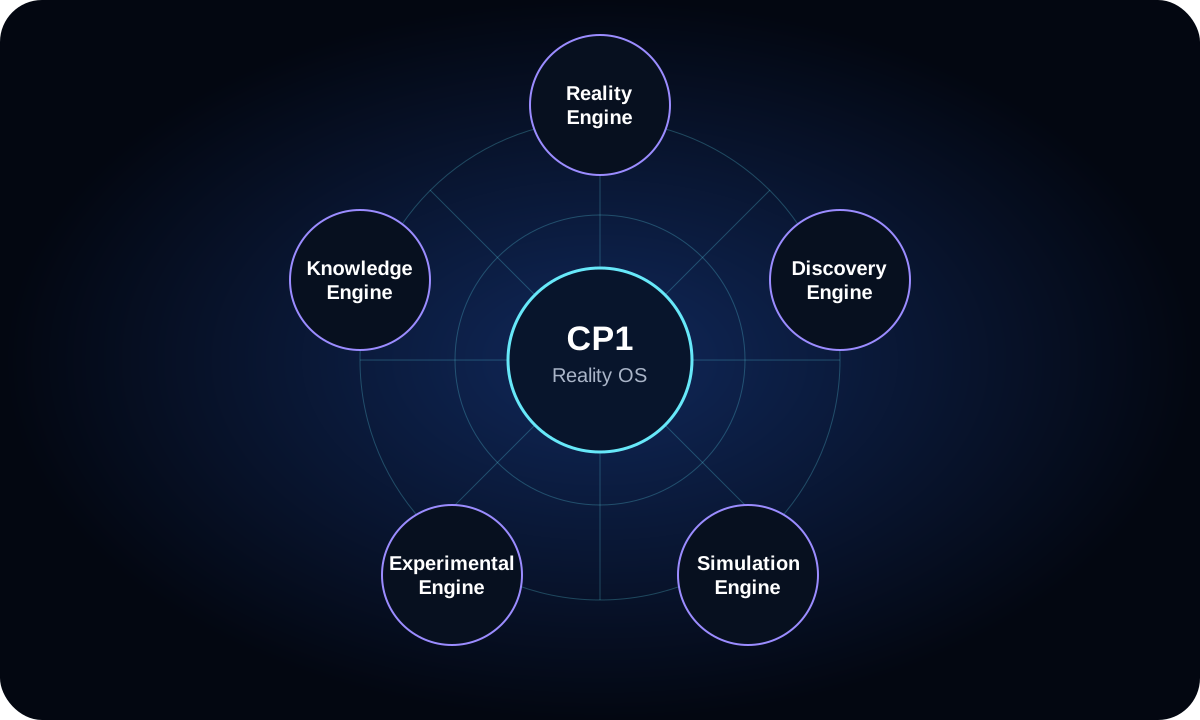
Architecture
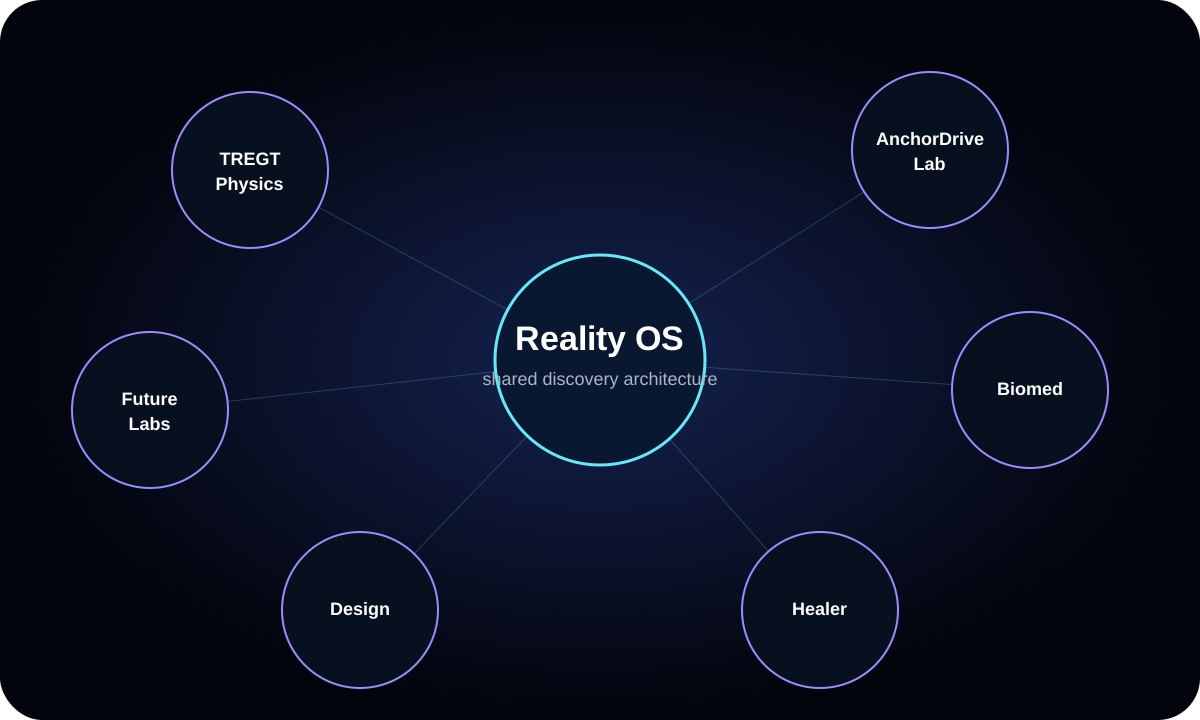
The engines are not isolated products. They share state, evidence and governance.
Represents phenomena, fields, interactions and states so every domain can use the same structural language.
From discovery to operation
Reality OS is the architecture. Digital Offices are CP1’s first operational product candidate: persistent governed contexts where users, specialized CPs, models, tools and people can work under explicit authority.
Persistent product, operations, commercial and administrative context for a small founding team.
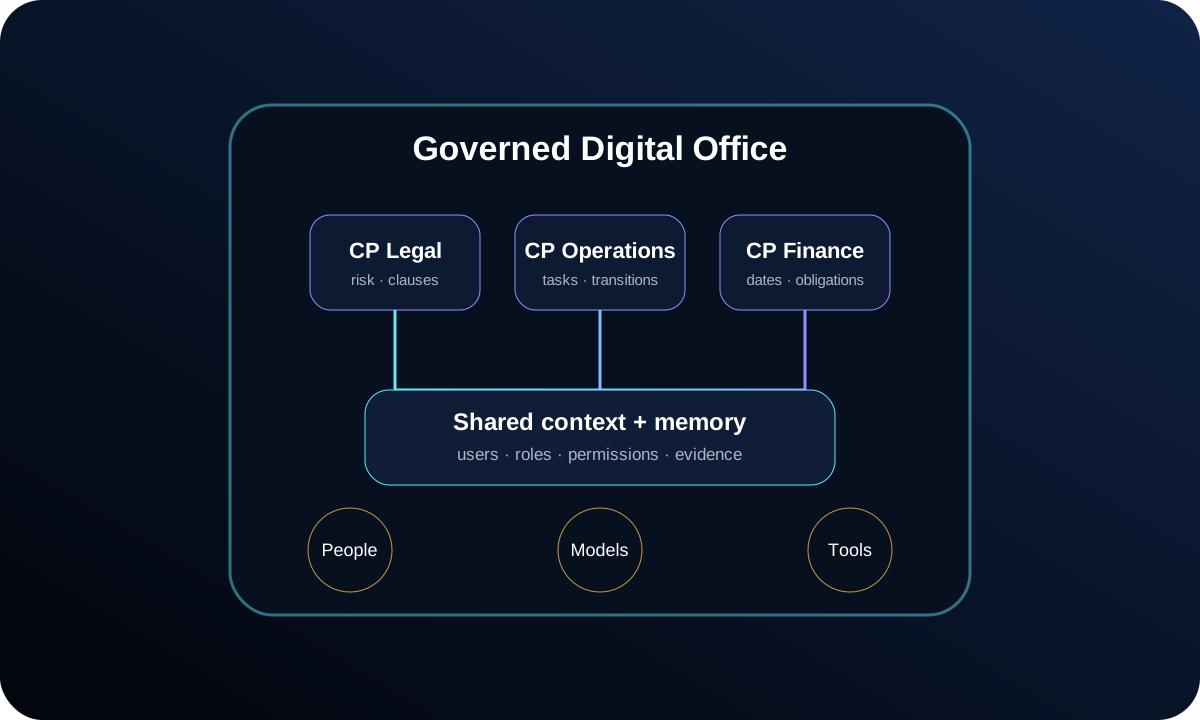
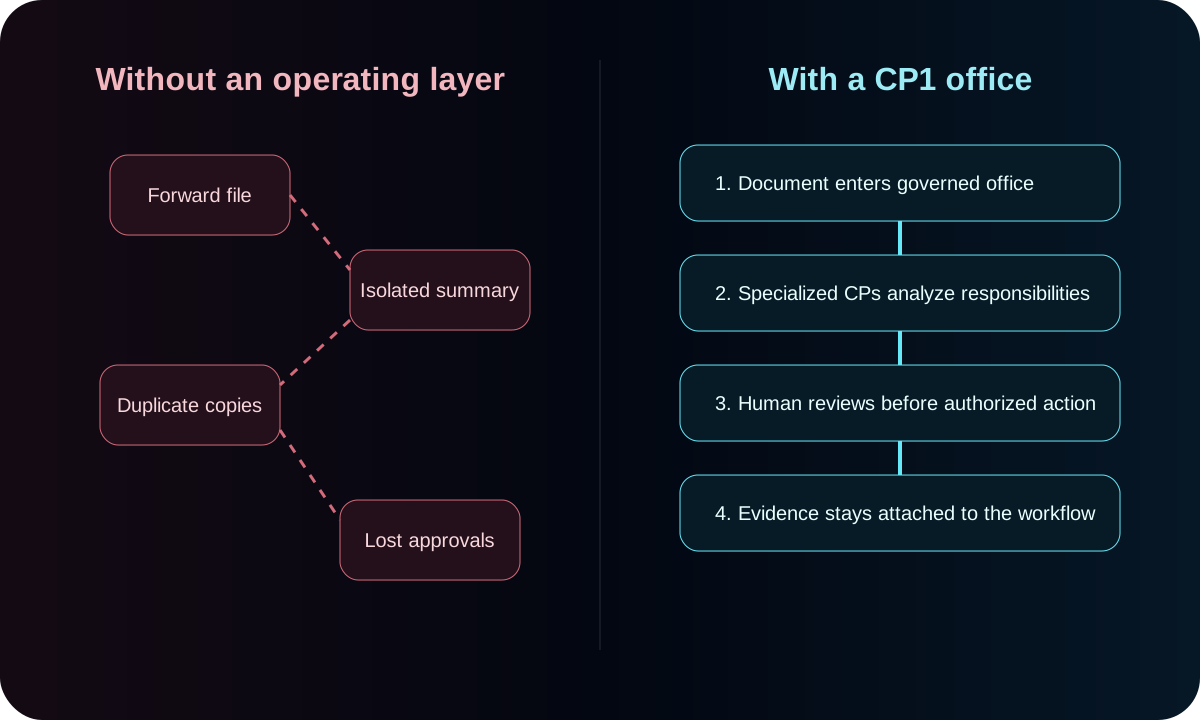
A concrete workflow
Reality Labs
Select a constellation node. Each lab shares the same evidence model while adding domain-specific knowledge.
A governed environment for physical hypotheses, simulations and reproducible experiments.
First experimental platform
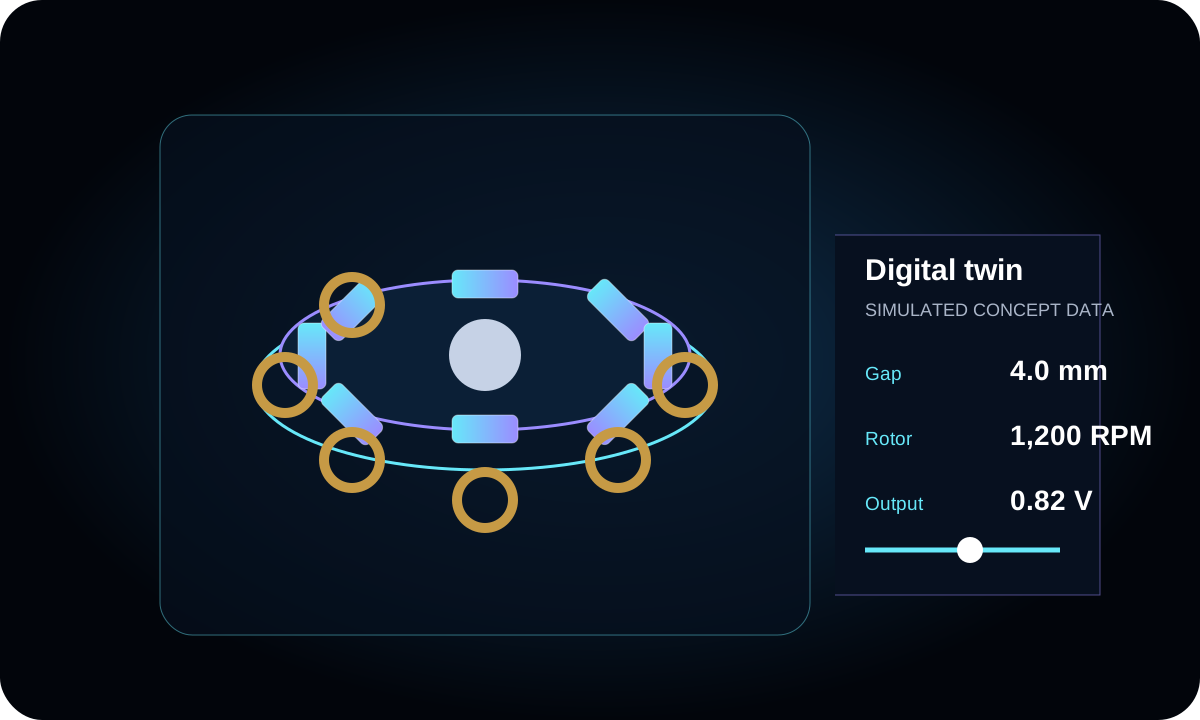
A variable-geometry electromagnetic platform designed to connect mechanical configuration, sensors, a state clock, CP1 telemetry and a Unity digital twin.
The interface clearly separates simulated concept data from future live telemetry.
Evidence discipline
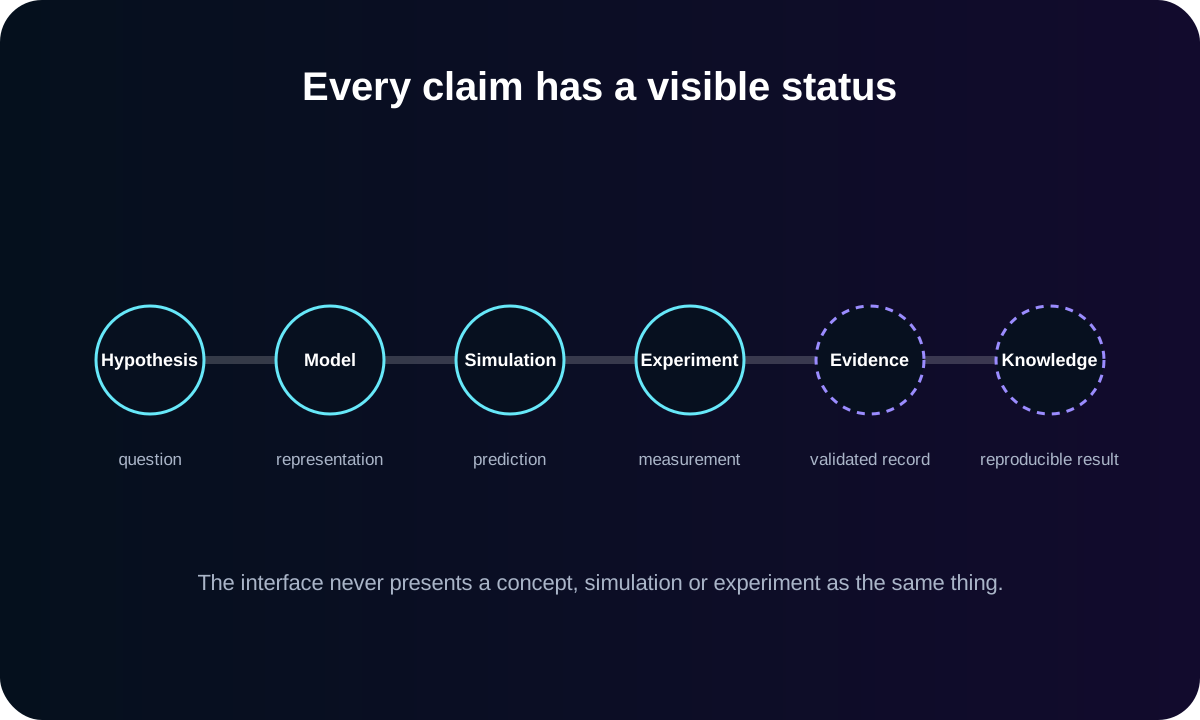
CP1 distinguishes a hypothesis from a model, a simulation from an experiment, and evidence from knowledge.
A testable proposition that must remain distinct from measured results.
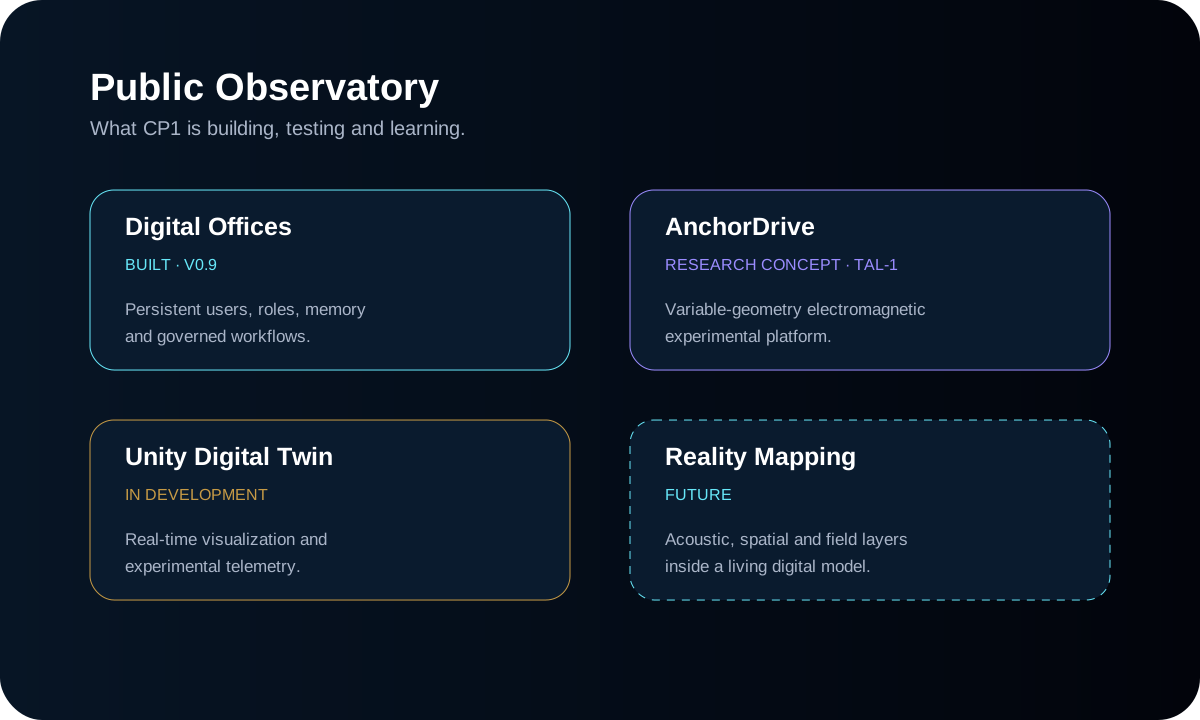
Public Observatory
Every public initiative has a version, evidence status and next milestone.
Loading observatory…
Transparent maturity
Mission
CP1 is designed to help teams observe, test and decide under explicit authority, while keeping claims, evidence and human responsibility separated.
Ask Mack
Describe a problem, workflow, phenomenon or hypothesis. This preview lets Mack classify the intention locally and explain a recommended route. It does not send your text to a server or execute an action.

We do not impose theories on reality. We build systems that allow reality to test them.
CP1 Technologies · Santiago, Chile · Human authority by design